Bhakta, Bhagwan, and MahaShivaratri

I had been meaning to attend the Mangal Arati (the morning prayers in Indian temples) at the Ramakrishna Math, Ulsoor (Bengaluru). The Arati starts at 5 am sharp. So I had to start around 4 am to reach well in time. This was on 25th of February. Though it was difficult to break the inertia of sleep, once broken, it was all energy and exuberance in the arctic breeze striking against the face. The night was not over yet. The morning was yet to arrive.

I reached the temple just in time to witness the Mahashivaratri (the night of Shiva) celebrations. Though the original plan was to participate in the Mangal Arati at 5 am, the Shivaratri celebrations from the previous night were just drawing to a close when I reached. It was a sight to behold. ShivaтАЩs image was placed on a throne, ameliorated with flowers and sandalwood paste. The uplifting florid whiff in the air kept all the devotees who had assembled there from the previous night absorbed in Shiva. Many sang, a few meditated, and others just kept an incessant gaze at Shiva, perhaps in contemplation.

While the world outside of me was absorbed in the songs and mantra chanting, my mind was busy weaving a web of questions, answers, analogies, and conclusions. Does God exist? Does Shiva exist? Who are these people worshipping? I observed both sides of the world тАУ The God side and the Devotee side. I saw no difference. There never existed two worlds. It was one. The only answer that could tranquilize me was that God exists when the devotee exists. God ceases to exist when devotees cease to. That we have created impenetrable firewalls between these two worlds, is our own undoing. Inside the temple, at that moment, I couldnтАЩt tell if the devotees were worshipping Shiva or Shiva was worshipping the devotees.


While we all celebrate our deities according to our preferences, we tend to forget the names who exemplified devotion and became the Bhaktas who brought the God to us in a humane and relatable form. I find that our history is replete with such stories where Bhagwan (God) and Bhakta (Devotee) have been put on the same pedestal. One is no less than the other for if there is no Devotee, there is no God. Ram and Hanuman, Ram and Tulasidas,┬аKrishna and Radha, Krishna and Meera, Krishna and Sur, Vishnu and Prahlad – the count just keeps growing. There has perhaps never been a story where the God has existed without the Devotee. It would be safe to say that the Devotee creates the God. A spiritual novice is helped on his journey to enlightenment by relating to a humane God that one enlightened devotee from amongst us has created in the past. If we extrapolate this point, we see clearly that for us God is what these devotees tell us about him/her. Krishna is what devotees like Sur, Meera have told us about him. Ram is what devotees like Tulasidas, Kaka Bhusundi tell us about him. Similarly, in a different religion like Christianity, God is seen through the eyes of Jesus.

The night belonged to Shiva, naturally one thinks of┬аShiva, and one realizes that one sees him only through the stories and poems written and composed by his devotees. Since I belong to the Mithila region of our country, the most prominent name that occurred to me was that of Kavi Kokil Vidyapati. Kavi meaning poet, Kokil meaning Cuckoo, and Vidyapati meaning the Master of Knowledge. True to his name, Vidyapati was a great scholar in Sanskrit and chiefly wrote in Maithili, Abahatta, and Sanskrit. There are two major classifications of his poems – one – love poems concerning Radha and Krishna and then the devotional poems and songs for Shiva. Such is his influence in the Mithila region that no celebration is complete without the rendition of his songs. Interestingly, since he lived in the times when the chief language of eastern India was Abahatta – the primitive form of Maithili, Bengali, Nepali, and Oriya; his influence on these languages is seen as analogous to that of Dante in Italy and Chaucer in England. Vidyapati lived from AD 1352 to 1448.


Kavi Kokil Vidyapati


The life story of Vidyapati stands as the most glittering testimony to the way Bhakta-Bhagwan relationship has been treated in Indian tradition of culture and its accompanying literature. It is said that Shiva was so impressed by the bhakti of Vidyapati that he took the form of an illiterate herdsman and offered to serve Vidyapati and live with him. Once when the poet was traveling on the invitation of King of Mithila Shiva Singh, he was dehydrated and needed water to drink. Since the area was barren and there was no water source in the vicinity, Shiva who was disguised as Ugna poured out some gangajal (water from Ganges) from his jataa (matted hair). Vidyapati at once recognized gangajal and insisted that Ugna reveal his true form. Ugna admitted to being Shiva himself and promised to stay with him till his identity is not revealed. Later in time, once wife of Vidyapati, Sushila angry at Ugna for not completing his assigned task charged towards him with a broom to punish. Vidyapati couldnтАЩt stand this quietly and gave away ShivaтАЩs cover. Shiva disappeared instantly leaving Vidyapati sad and depressed. Vidyapati left his house in search for┬аUgna and after much roaming and wanderings, found him at Nandanvana. Ugna didnтАЩt come back with Vidyapati but promised to help Vidyapati as and when needed. The celebrated place where they met again is now known as Ugnasthan (the place of Ugna).

Vidyapati composed several poems for Shiva. The most important aspect of his songs is that they are emotionally very personal and the deity appears to be extremely close to the devotee, sometimes as friend, at times as disciple, other times the Bhakta suffering in separation from Shiva.┬а This is one great thing that in his poems, Shiva is not an alien super-human figure who is just meant to be worshipped from a distance. In his songs and poems, Shiva becomes your best friend who knows you the best and you are allowed to protest, whine, and love. Shiva becomes that ally in whom you confide all your secrets, share all the joys and sorrows of the world. VidyapatiтАЩs God is not merely to be respected and worshipped; he is to be loved, adored, pampered and kept close all the time.

The Shiva that Mithila knows today is perhaps the┬аpersonification of all the poems of Vidyapati on Shiva. In a way, Mithila worships the Shiva of Vidyapati. In other words, the regions of Mithila, Bengal, Odisha, and Nepal adopted the Shiva that was created by the great devotee-poet Vidyapati. I am sure this would be true for most of the regions of our country. We have since time immemorial known Gods through their devotees. Be it the Advaita Brahman of Adi Shankaracharya or the beloved Krishna of the romantique Radha, the Mother Kali of Sri Ramakrishna or the Shiva of Sundarar. Gods have needed ardent devotees to bring them closer to this world. As such, knowing the Bhakta is not different from knowing the Bhagwan. The devotees who sat inside the temple premises to observe the Mahashivaratri celebrations projected their own individual selves and together created the whole i.e. Shiva who they worshipped. It wonтАЩt be a hyperbole then to say that if one believes that this world was created by an almighty force, it was created only to complete that forceтАЩs own existence. Without the manifestation of force, one canтАЩt see the force. What does it matter then that the force still exists?


Note – If you are interested, read through the poems of Kavi┬аVidyapati. ┬аA couple of sources are provided below. Various song-renditions are available on youtube.

Note on 21st February, 2020 (Mahashivaratri) – This rendition is by my mother Smt. Kavita Jha (1973-2019), who absolutely loved singing Vidyapati.

рд╡реИрд▓реЗрдВрдЯрд╛рдЗрди’рд╕ рдбреЗ, рдЕрдореНрдорд╛, рдФрд░ рд╣рдорд╛рд░рд╛ рдкреНрдпрд╛рд░ред

рдлрд┐рд▓реНрдо рдбреЙрди рдореЗрдВ рдЕрдорд┐рддрд╛рдн рдмрдЪреНрдЪрди рдиреЗ рджреЛ рднреВрдорд┐рдХрд╛рдПрдБ рдирд┐рднрд╛рдпреА рд╣реИрдВред рдЙрдирдореЗрдВ рд╕реЗ рдкрд╣рд▓рд╛ рдХрд┐рд░рджрд╛рд░ рдирдХрд╛рд░рд╛рддреНрдордХ рд╣реИред рдбреЙрди рдПрдХ рдмрд╣реБрдд рдЦрддрд░рдирд╛рдХ рдЕрдкрд░рд╛рдзреА рд╣реИ рдФрд░ рдЙрд╕рдХреЗ рд╣реА рд╢рдмреНрджреЛрдВ рдореЗрдВ резрез рдореБрд▓реНрдХреЛрдВ рдХреА рдкреБрд▓рд┐рд╕ рдЙрд╕рдХрд╛ рдкреАрдЫрд╛ рдХрд░ рд░рд╣реАрдВ рд╣реЛрддреАрдВ рд╣реИрдВред рдлрд┐рд▓реНрдо рд╢реЛрд▓реЗ рдореЗрдВ рдЬрдп рдФрд░ рд╡реАрд░реВ рдЯреБрдЪреНрдЪреЗ рдЪреЛрд░ рд╣реИрдВред рдлрд┐рд▓реНрдо рдбрд░ рдореЗрдВ рд╢рд╛рд╣рд░реБреЩ рдЦрд╛рди рдиреЗ рдПрдХ рдмреЗрд╣рдж рд╕рдВрдЧреАрди рдФрд░ рдЬреБрдиреВрдиреА рдЖрд╢рд┐реШ рдХрд╛ рдХрд┐рд░рджрд╛рд░ рдирд┐рднрд╛рдпрд╛ рд╣реИред рдлрд┐рд▓реНрдо рд╕реНрдкреЗрд╢рд▓ рдЫрдмреНрдмреАрд╕ рдореЗрдВ рдЕрдХреНрд╖рдп рдХреБрдорд╛рд░ рдиреЗ рдПрдХ рдардЧ рдХрд╛ рдХрд┐рд░рджрд╛рд░ рдирд┐рднрд╛рдпрд╛ред

рдпреЗ рд╕рдм рдореИрдВ рдЖрдкрдХреЛ рдХреНрдпреВрдБ рдмрддрд╛ рд░рд╣рд╛ рд╣реВрдБ? рдЗрд╕ рд╕реЗ рдкрд╣рд▓реЗ рдХрд┐ рдореИрдВ рдЙрд╕рдХрд╛ рдЬрд╡рд╛рдм рджреВрдБ, рдореИрдВ рдПрдХ рдмрд╛рдд рдФрд░ рдмрддрд╛ рджреЗрддрд╛ рд╣реВрдБред рдЕрднрд┐рдиреЗрддрд╛ рдкреНрд░рд╛рдг рд╢рд╛рдпрдж рдЕрдм рддрдХ рдХреЗ рд╕рдмрд╕реЗ рд╣рд░рдлрдирдореМрд▓рд╛ рдХрд▓рд╛рдХрд╛рд░ рд░рд╣реЗ рд╣реИрдВред рдХрд╣рд╛ рдЬрд╛рддрд╛ рд╣реИ рдХрд┐ рдЙрдирдХреЗ рдирдХрд╛рд░рд╛рддреНрдордХ рдХрд┐рд░рджрд╛рд░реЛрдВ рдХреЛ рдЗрддрдиреА рдирдлрд░рдд рдорд┐рд▓реА рдХрд┐ рдПрдХ рд╡реШреНрдд рдкрд░ рджрд░реНрд╢рдХреЛрдВ рдХреЛ рдпрдХреАрди рд╣реЛ рдЧрдпрд╛ рдХрд┐ рдкреНрд░рд╛рдг рдирд┐рдЬреА реЫрд┐рдиреНрджрдЧреА рдореЗрдВ рднреА рд╡рд╣реА рд╣рд╛рде рдореЗрдВ рдЪрд╛рдмреБрдХ рд▓реЗрдХрд░ рдШреВрдордиреЗ рд╡рд╛рд▓реЗ рдкреВрдВрдЬреАрд╡рд╛рджреА рд╣реИрд╡рд╛рди рд╣реИрдВ рдЬреЛ рдЧрд░реАрдм рдХрд┐рд╕рд╛рдиреЛрдВ рдХрд╛ рдЦреВрди рдкреАрддрд╛ рд╣реИред рд▓реЛрдЧреЛрдВ рдиреЗ рдЕрдкрдиреЗ рдмрдЪреНрдЪреЛрдВ рдХрд╛ рдирд╛рдо рдкреНрд░рд╛рдг рд░рдЦрдирд╛ рдмрдВрдж рдХрд░ рджрд┐рдпрд╛ред

рд╡рд╣реАрдВ, рдЗрдирдХреЗ рдкрд╣рд▓реЗ рдореИрдВрдиреЗ рдЬрд┐рди рд▓реЛрдЧреЛрдВ рдХреА рдмрд╛рдд рдХреА рд╣реИ, рдЙрдирдХреЛ рдмреЗрд╢реБрдорд╛рд░ рдкреНрдпрд╛рд░ рдорд┐рд▓рд╛ред рдлрд┐рд▓реНрдореЛрдВ рдореЗрдВ рдирдХрд╛рд░рд╛рддреНрдордХ рдХрд┐рд░рджрд╛рд░реЛрдВ рдХреЗ рдорд░ рдЬрд╛рдиреЗ рдкрд░ рд▓реЛрдЧ рдЦреБрд╢ рдирд╣реАрдВ рд╣реБрдПред рдЕрдХреНрд╖рдп рдХреБрдорд╛рд░ рдХрд╛ рдХрд┐рд░рджрд╛рд░ рдЬрдм рд╕реАрдмреАрдЖрдИ рдХреЛ рдЪрдХрдорд╛ рджреЗрдХрд░ рднрд╛рдЧ рдЬрд╛рддрд╛ рд╣реИ рддреЛ рд╣рдорд╛рд░реА реЩреБрд╢реА рдореБрд╕реНрдХрд░рд╛рд╣рдЯ рдмрдирдХрд░ рдЪреЗрд╣рд░реЗ рдкрд░ рдЖ рд╣реА рдЬрд╛рддреА рд╣реИред рдкрд░реЗрд╢рд╛рди рдордиреЛрдЬ рдмрд╛рдЬрдкреЗрдпреА рдХреЗ рдХрд┐рд░рджрд╛рд░ рд╕реЗ рдХрд┐рд╕реА рдХреЛ рдХреЛрдИ рд╕рд╣рд╛рдиреБрднреВрддрд┐ рдирд╣реАрдВ рд╣реЛрддреАред рдРрд╕реЗ рд╕рднреА рдирдХрд╛рд░рд╛рддреНрдордХ рдХрд┐рд░рджрд╛рд░реЛрдВ рдХреЛ рдЬрд┐рдирдХреЛ рдРрд╕реЗ рдЕрднрд┐рдиреЗрддрд╛ рдирд┐рднрд╛рддреЗ рд╣реИрдВ рдЬреЛ рдЖрдорддреМрд░ рдкрд░ рдирд╛рдпрдХ рдХреЗ рд░реВрдк рдореЗрдВ рдкрд╕рдВрдж рдХрд┐рдпреЗ рдЬрд╛рддреЗ рд╣реИрдВ, рдЙрдирдХреЛ рдмреЗрд╢реБрдорд╛рд░ рдкреНрдпрд╛рд░ рдорд┐рд▓рддрд╛ рд╣реИ рдФрд░ рдЙрд╕ рдХрд┐рд░рджрд╛рд░ рд╕реЗ рдПрдХ рдЕрдиреЛрдЦреА рд╕рд╣рд╛рдиреБрднреВрддрд┐ рд╣реЛрддреА рд╣реИред рд╡рд╣реАрдВ, рд░рдВрдЬреАрдд рд╕рд╛рд╣рдм рдХрд╛ рдЪреЗрд╣рд░рд╛ рд╕рд╛рдордиреЗ рдЖрддреЗ рд╣реА рд▓реЬрдХрд┐рдпреЛрдВ рдХреЛ рджреЗрдЦрдХрд░ рд▓рд╛рд░ рдЯрдкрдХрд╛рдиреЗ рд╡рд╛рд▓реЗ рдмрд▓рд╛рддреНрдХрд╛рд░реА рдХреА рдЫрд╡рд┐ рд╣рдорд╛рд░реЗ рд╕рд╛рдордиреЗ рдЙрднрд░ рдХрд░ рдЖрддреА рд╣реИред

рдХрд╣рдиреЗ рдХрд╛ рдорддрд▓рдм рдпреЗ рд╣реИ рдХрд┐ рдкреНрдпрд╛рд░ рдЕрдВрдзрд╛ рд╣реЛрддрд╛ рд╣реИред рд╡реЛ рдмреБрджреНрдзрд┐ рдХреЗ рд╕рд╛рдордиреЗ рдПрдХ рдХрд╛рд▓рд╛ рдкрд░реНрджрд╛ рд▓рдЧрд╛ рджреЗрддрд╛ рд╣реИ рдЬрд┐рд╕рдХреЗ рдЖрд░ рдкрд╛рд░ рдХреБрдЫ рдирд╣реАрдВ рджреАрдЦрддрд╛ред рдПрдХ рдлрд┐рд▓реНрдо рд╣рдорд╛рд░реЗ рдкреЬреЛрд╕реА рд░рд╛рдЬреНрдп рддрдорд┐рд▓ рдирд╛рдбреБ рдореЗрдВ рднреА рдЪрд▓ рд░рд╣реА рд╣реИред рд╢реНрд░реАрдорддреА рд╢рд╢рд┐рдХрд▓рд╛ рдиреЗ рд░рд╛рдЬреНрдп рдХреА рдорд╣рд╛рд░рд╛рдиреА рдмрдирдиреЗ рдХреА рдкреВрд░реА рддреИрдпрд╛рд░реА рдХрд░ рд▓реА рдереАред рд╕рд░реНрд╡реЛрдЪреНрдЪ рдиреНрдпрд╛рдпрд╛рд▓рдп рдХреЛ рдпреЗ рдмрд╛рдд рд╣рдЬрдо рдирд╣реАрдВ рд╣реБрдИ рдФрд░ рдЬреИрд╕реЗ рд╡реЛ рд╣рд░ рдЬрдЧрд╣ рд░рд╛рдпрддрд╛ рдлреИрд▓рд╛ рджреЗрддреЗ рд╣реИрдВ, рдпрд╣рд╛рдБ рднреА рдлреИрд▓рд╛ рджрд┐рдпрд╛ред рдЕрдм рд╢рд╢рд┐рдХрд▓рд╛ рдХрд╛рд░рд╛рд╡рд╛рд╕ рдореЗрдВ рд╣реИрдВ рдФрд░ рдЙрдирдХреЗ рд╕рд╛рд░реЗ рд╕рдкрдиреЗ рд╕рдкрдиреЗ рд╣реА рд░рд╣ рдЬрд╛рдпреЗрдВрдЧреЗред рд╕рд░реНрд╡реЛрдЪреНрдЪ рдиреНрдпрд╛рдпрд╛рд▓рдп рдиреЗ рдПрдХ рдФрд░ рдЗрдВрд╕рд╛рди рдХреЛ рджреЛрд╖реА рдард╣рд░рд╛рдпрд╛ рд╣реИ рдЬреЛ рдЕрдм рдЗрд╕ рджреБрдирд┐рдпрд╛ рдореЗрдВ рдирд╣реАрдВ рд░рд╣реАрдВ рдФрд░ рд▓реЛрдЧреЛрдВ рдХреЛ рдЙрдирд╕реЗ рдмрд╣реБрдд рдкреНрдпрд╛рд░ рд╣реИред рдпрд╣рд╛рдБ рдкрд░ рдЖрдк рд╕рдВрдЬрдп рд▓реАрд▓рд╛ рднрдВрд╕рд╛рд▓реА рдХреЗ рдмрд╛рдЬреЗ рдФрд░ рдвреЛрд▓ рдХреЛ рдкрд╛рд░реНрд╢реНрд╡ рд╕рдВрдЧреАрдд рд╕рдордЭ рд╕рдХрддреЗ рд╣реИрдВред рдореИрдВ рдирд╛рдпрдХ-рдЦрд▓рдирд╛рдпрдХ-рдирд╛рдпрдХ-рдЦрд▓рдирд╛рдпрдХ рдЬрдпрд▓рд▓рд┐рддрд╛ рдЙрд░реНреЮ рдЕрдореНрдорд╛ рдХреЛ рдЪрд┐рддреНрд░рдкрдЯ (screen) рдкрд░ рд▓рд╛ рд░рд╣рд╛ рд╣реВрдБред

рдореЫреЗ рдХреА рдмрд╛рдд рдпреЗ рд╣реИ рдХрд┐ рдЬреЛ рднреА рд╕реБрдкреНрд░реАрдо рдХреЛрд░реНрдЯ рдиреЗ рдХрд╣рд╛ рд╡реЛ рд╣рдо рд╕рдм рдЬрд╛рдирддреЗ рдереЗред рдЬрдирддрд╛ рд╕реЗ рдХреБрдЫ рдЫреБрдкрддрд╛ рдирд╣реАрдВред рдлрд┐рд░ рднреА рд╣рдо рдЕрдореНрдорд╛ рд╕реЗ рдмрд╣реБрдд рдкреНрдпрд╛рд░ рдХрд░рддреЗ рд╣реИрдВред рдПрдХ рдкреНрдпрд╛рд░ рдЬрд╕реНрдЯрд┐рд╕ рдХрд╛рдЯрдЬреВ рдХрд╛ рднреА рд╣реИред ┬ардореИрдВ рдЙрд╕рдХреА рдмрд╛рдд рдирд╣реАрдВ рдХрд░ рд░рд╣рд╛ред ┬ардореИрдВ рдЕрдореНрдорд╛ рд╕реЗ рдЕрдореНрдорд╛ рд╡рд╛рд▓реЗ рдкреНрдпрд╛рд░ рдХреА рдмрд╛рдд рдХрд░ рд░рд╣рд╛ рд╣реВрдБред┬ардЕрдореНрдорд╛ рдХреЗ рдкрд╛рдк рдФрд░ рд╢рд╢рд┐рдХрд▓рд╛ рдХреЗ рдкрд╛рдк рдмрд░рд╛рдмрд░ рдХреЗ рд╣реИрдВ рдлрд┐рд░ рднреА рд╣рдо рджреАрд╡рд╛рдиреЗ рдкрд╛рдЧрд▓, рдЕрдореНрдорд╛ рдХреЗ рдкреАрдЫреЗ рдкрд╛рдЧрд▓ рдФрд░ рд╢рд╢рд┐рдХрд▓рд╛ рдХреЛ рд╣рд░ рддрд░рд╣ рдХреА рдЧрд╛рд▓рд┐рдпреЛрдВ рд╕реЗ рдирд╡рд╛реЫ рд░рд╣реЗ рд╣реИрдВред рдЕрднреА рддреЛ рдРрд╕рд╛ рд╣реА рд▓рдЧ рд░рд╣рд╛ рд╣реИ рдХрд┐ рдЕрдореНрдорд╛ рджрд░рдЕрд╕рд▓ рдЕрдореНрдорд╛ рдирд╣реАрдВ рдереАрдВ рдмрд▓реНрдХрд┐ рдПрдХ рдЫреЛрдЯреА рд╕реА рдорд╛рд╕реВрдо рдмрдЪреНрдЪреА рдереАрдВ рдЬрд┐рдирдХреЛ рдкрдЧрд▓реА рдмреБреЭрд┐рдпрд╛ рд╢рд╢рд┐рдХрд▓рд╛ рдиреЗ рдмрд╣рдХрд╛ рджрд┐рдпрд╛ред рдЕрдореНрдорд╛ рдХреЗ рд╕реМ рдЦреВрди рдорд╛реЮред

рдпреЗ рдкреНрдпрд╛рд░ рд╣реИред рдЕрдБрдзрд╛ рдФрд░ рдмреЬрдмреЛрд▓рд╛ред рдФрд░ рдЗрд╕ рдкреНрдпрд╛рд░ рдХреЗ рдХреНрдпрд╛ рдХреНрдпрд╛ рдЙрдкрдпреЛрдЧ рд╣реИрдВ, рдпреЗ рдЖрдк рдкрдиреНрдиреАрд░рд╕реЗрд▓реНрд╡рдо рд╕реЗ рдкреВрдЫрд┐рдпреЗ рдЬрд┐рдирдХреА рдЗрд╖реНрдЯ рджреЗрд╡реА рдЖрдЬреАрд╡рди (рдФрд░ реЩрд╛рд╕ рддреМрд░┬ардЗрди рджрд┐рдиреЛрдВ) рдЕрдореНрдорд╛ рд░рд╣реАрдВ ┬ард╣реИрдВред рдЕрдореНрдорд╛ рдЕрдкрд░рдореНрдкрд╛рд░ рд╣реИрдВред рдкрдиреНрдиреАрд░рд╕реЗрд▓реНрд╡рдо рдХреА рджрд╢рд╛ рдЗрд╕ рд╡реШреНрдд рдРрд╕реА рд╣реИ рдХрд┐ рдХреЛрдИ рдЖрдЬ рдЕрдЧрд░ рдЙрдирд╕реЗ рдЕрдореНрдорд╛ рдХреЗ рдХреБрдХреГрддреНрдпреЛрдВ рдХреЗ рдмрд╛рд░реЗ рдореЗрдВ рдкреВрдЫреЗ рддреЛ рд╡реЛ рд╢рд╛рдпрдж рдпрд╣реА рдХрд╣реЗрдВрдЧреЗ рдХрд┐ рдЪреЛрд░реА рддреЛ рднрдЧрд╡рд╛рди рдХреГрд╖реНрдг рдиреЗ рднреА рдХреА рдереАред рдЕрдореНрдорд╛ рдиреЗ рднреА рд░реБрдкрдпреЗ рд░реБрдкреА рдорд╛рдЦрди рдЪреБрд░рд╛рдП, рдпреЗ рдЙрдирдХреА рдЕрдзреЗреЬ рд▓реАрд▓рд╛ рдереАред

рдпреЗ рдкреНрдпрд╛рд░ рд╣реИред рдЕрдБрдзрд╛ рдФрд░ рдмреЬрдмреЛрд▓рд╛ред рд╡рд╣реА рдкреНрдпрд╛рд░ рдЬрд┐рд╕рдХреА рдмрджреМрд▓рдд рдЪрдВрдж рдмреЗрдИрдорд╛рди рд▓реЛрдЧреЛрдВ рдиреЗ рдЗрд╕ рджреЗрд╢ рдХреЛ рдЧреБрд▓рд╛рдо рдмрдирд╛ рд░рдХреНрдЦрд╛ рд╣реИред рдпреЗ рднреАреЬ рдХрд╛ рдкреНрдпрд╛рд░ рд╣реИред рд╡реЛ рднреАреЬ рдЬреЛ рднреЗреЬреЛрдВ рд╕реЗ рдмрджрддрд░ рд╣реИред

рдпреЗ рдкреНрдпрд╛рд░ рд╣реИред рдЕрдБрдзрд╛ рдФрд░ рдмреЬрдмреЛрд▓рд╛ред рд╡рд╣реА рдкреНрдпрд╛рд░ рдЬрд┐рд╕рдХреА рдмрджреМрд▓рдд рдЙрддреНрддрд░ рдкреНрд░рджреЗрд╢ рдореЗрдВ рдПрдХ рдмрд╛рдк рдФрд░ рдмреЗрдЯреЗ рдиреЗ рд░рд╛рдЬреНрдп рдХреЛ рдирд╛рдЯрдХ рдХрдВрдкрдиреА рдмрдирд╛ рджрд┐рдпрд╛ рд╣реИ┬ардФрд░ рдПрдХ рдмрд╣рди рдЬреА рдиреЗ рд╡рд┐рдХрд╛рд╕ рдХреЗ рдирд╛рдо рдкрд░ рдЬрдирддрд╛ рдХреЗ рд╣рд╛рде рдореЗрдВ┬ард╣рд╛рдерд┐рдпреЛрдВ рдХреА рдореВрд░реНрддрд┐рдпрд╛рдВ рдердорд╛ рджреАрдВред

рдпреЗ рдкреНрдпрд╛рд░ рд╣реИред рдЕрдБрдзрд╛ рдФрд░ рдмреЬрдмреЛрд▓рд╛ред рд╡рд╣реА рдкреНрдпрд╛рд░ рдЬрд┐рд╕рдХреА рдмрджреМрд▓рдд рдкрд╢реНрдЪрд┐рдо рдмрдВрдЧрд╛рд▓ рдореЗрдВ рджреАрджреА рдХреЛ рд╣рд░ рджреВрд╕рд░рд╛ рдЗрдВрд╕рд╛рди рдорд╛рдУрд╡рд╛рджреА рджреАрдЦрддрд╛ рд╣реИ рдФрд░ рд╣рд░ рдкрд╣рд▓рд╛ рдПрд╡рдВ рддреАрд╕рд░рд╛ рдореЛрджреАрд╡рд╛рджреАред

рдпреЗ рдкреНрдпрд╛рд░ рд╣реИред рдЕрдБрдзрд╛ рдФрд░ рдмреЬрдмреЛрд▓рд╛ред рд╡рд╣реА рдкреНрдпрд╛рд░ рдЬрд┐рд╕рдХреА рдмрджреМрд▓рдд рд▓рд╛рд▓реВ рдпрд╛рджрд╡ рдХреА рднреИрдВрд╕реЛрдВ рдХрд╛ рдЪрд╛рд░рд╛ рдХрднреА реЩрддреНрдо рдирд╣реАрдВ рд╣реЛрддрд╛ред

рдпреЗ рдкреНрдпрд╛рд░ рд╣реИред рдЕрдБрдзрд╛ рдФрд░ рдмреЬрдмреЛрд▓рд╛ред рд╡рд╣реА рдкреНрдпрд╛рд░ рдЬрд┐рд╕рдХреА рдмрджреМрд▓рдд рд░рд╛рдЬ рдард╛рдХрд░реЗ рдирд╛рдо рдХрд╛ рдПрдХ рдЯреБрдЪреНрдЪрд╛ рдЧреБрдВрдбрд╛ рдорд╣рд╛рд░рд╛рд╖реНрдЯреНрд░ рдореЗрдВ рдореБрдЦреНрдпрдордВрддреНрд░реА рдХреЗ рдХрдХреНрд╖ рдореЗрдВ рдмреИрда рдХрд░ реЮрд┐рд▓реНрдореА рдХрд▓рд╛рдХрд╛рд░реЛрдВ рдХрд╛ рджрдорди рдХрд░рддрд╛ рд╣реИред

рдпреЗ рдкреНрдпрд╛рд░ рд╣реИред рдЕрдБрдзрд╛ рдФрд░ рдмреЬрдмреЛрд▓рд╛ред рд╡рд╣реА рдкреНрдпрд╛рд░ рдЬрд┐рд╕рдХреА рдмрджреМрд▓рдд рд╣реИрджрд░рд╛рдмрд╛рдж рдореЗрдВ рдПрдХ рдФрд░ рд▓рдлрдВрдЧрд╛ рдЕрдХрдмрд░реБрджреНрджреАрди рдУрд╡реИрд╕реА рд╣рд┐рдВрджреБрд╕реНрддрд╛рди рдХреА рдзрд░рддреА рд╕реЗ рд╣рд┐рдВрджреБрдУрдВ рдХреЛ рд▓реБрдкреНрдд рдХрд░ рджреЗрдиреЗ рдХреА рдмрд╛рдд рдХрд░рддрд╛ рд╣реИ рдФрд░ рд╣реЫрд╛рд░реЛрдВ рдХреА рднреАреЬ/рднреЗреЬ рддрд╛рд▓рд┐рдпреЛрдВ рд╕реЗ рдЙрд╕рдХрд╛ рдЕрднрд┐рдирдиреНрджрди рдХрд░рддреА рд╣реИред

рдпреЗ рдкреНрдпрд╛рд░ рд╣реИред рдЕрдБрдзрд╛ рдФрд░ рдмреЬрдмреЛрд▓рд╛ред рд╡рд╣реА рдкреНрдпрд╛рд░ рдЬрд┐рд╕рдХреА рдмрджреМрд▓рдд рдкреИрд╕реЛрдВ рдХреЗ рд▓рд┐рдП рдИрдорд╛рдирджрд╛рд░ рдЗрдВрд╕рд╛рдиреЛрдВ рдХреЛ рдФрд░ рд╡рд┐рдЬрдп рдорд╛рд▓реНрдпрд╛ рдХреЗ рд▓рд┐рдП рдмреИрдВрдХреЛрдВ рдХреЛ рдХрддрд╛рд░ рдореЗрдВ рдЦреЬрд╛ рдХрд░ рджрд┐рдпрд╛ рдЬрд╛рддрд╛ рд╣реИред

рдпреЗ рдкреНрдпрд╛рд░ рд╣реИред рдЕрдБрдзрд╛ рдФрд░ рдмреЬрдмреЛрд▓рд╛ред рд╡рд╣реА рдкреНрдпрд╛рд░ рдЬреЛ рдЖрдЬ рднреА рд╣рд░ рдлрд┐рд▓реНрдо рдкрд░ рдмреАрдЗрдВрдЧ рд╣реНрдпреВрдорди┬а рдХреА рдЯреАрд╢рд░реНрдЯ рдкрд╣рдирдХрд░ релрежреж рдХрд░реЛреЬ рд╕рд▓рдорд╛рди рдЦрд╛рди рдХреЗ рд╣рд╛рде рдореЗрдВ рд░рдЦ рдХрд░ рдХрд╣рддрд╛ рд╣реИ – “рдЖрдИ рд▓рд╡ рдпреВ рд╕рд▓рдорд╛рди !”

рдпреЗ рд╣рдорд╛рд░рд╛ рдкреНрдпрд╛рд░ рд╣реИред ┬ард╣рдорд╛рд░рд╛ рдЗрд╢реНреШред рдмрд┐рдирд╛ рд╢рд░реНрдд, рдЕрдкреНрд░рддрд┐рдмрдВрдзрд┐рдд, рдФрд░ рдирд┐рдГрд╕реНрд╡рд╛рд░реНрдеред┬ард╣рдорд╛рд░рд╛ рдЬреВрдиреВрдиред рдпреЗ рдбрд░ рдХреЗ рд╢рд╛рд╣рд░реБреЩ рдЦрд╛рди рд╡рд╛рд▓рд╛ рдкреНрдпрд╛рд░ рд╣реИ рдЬреЛ рдЕрдкрдиреЗ рдкреНрдпрд╛рд░ рдХреЗ рд▓рд┐рдП рдХрд┐рд╕реА рдХрд╛ рдЦреВрди рдХрд░ рд╕рдХрддрд╛ рд╣реИ, рдкреНрдпрд╛рд░ рдЬреЛ рд╣рд░ рджрд┐рди рдПрдХ рд╕рдирдХреЗ рдЖрд╢рд┐реШ рдХреА рддрд░рд╣ рдЕрдкрдиреЗ рд╣реА рджреЗрд╢ рдХрд╛ рдмрд▓рд╛рддреНрдХрд╛рд░ рдХрд░рддрд╛ рд╣реИ┬ардФрд░ рдлрд┐рд░┬ардЧрд░реНрднрдкрд╛рдд рдХрд░рд╛рддрд╛ рд╣реИред

рдЖрдИрдпреЗ рдЗрд╕ рдмрд╛рд░ рд╡реИрд▓реЗрдВрдЯрд╛рдЗрди’рд╕ рдбреЗ рдХреЗ рдЕрд╡рд╕рд░ рдкрд░ рдЗрд╕ рдкреНрдпрд╛рд░ рдХреЛ рдФрд░ рдЕрдВрдзрд╛, рдереЛреЬрд╛ рдФрд░ рдмреЬрдмреЛрд▓рд╛ рдмрдирд╛рдпреЗрдВ рдХреНрдпреВрдВрдХрд┐ рдХрд┐рд╕реА рдмреЬреЗ рд╢рд╛рдпрд░ рдиреЗ рдХрд╣рд╛ рд╣реИ – “рдпреЗ рдЗрд╢реНреШ рдирд╣реАрдВ рдЖрд╕рд╛рдВ, рдЖрдЧ рдХрд╛ рджрд░рд┐рдпрд╛ рд╣реИ, рдЖрдБрдЦ рдореВрдБрдж рдХрд░ рдЬрд╛рдирд╛ рд╣реИред”

Swami Vivekananda, Women’s Rights, and Uniform Civil Code

India┬аcelebrated Republic Day yesterday. We celebrated National Youth Day on 12th January. We also celebrated the birth anniversary of Netaji Subhash Chandra Bose on 23rd. As I started for my work location on 12th of January, I saw on my way, a statue of Swami Vivekananda in a park. The statue shimmered like diamond, was garlanded, and ameliorated with marigold. The visage was beautiful. A similar image awaited me on 23rd January for Netaji and as we celebrated our Republic Day yesterday, I see flags and flowers blanketing the city. I had a question to myself. Have we limited our appreciation and celebrations to just a tweet a year, a post-share per annum of their famous quotes, cleaning of their statues, and garlanding them? The second question in front of me was – How many ideas of these great minds have we garlanded so far? Continue reading “Swami Vivekananda, Women’s Rights, and Uniform Civil Code”

The Rights and Wrongs Around Jallikattu

The protest for Jallikattu is reaching new heights. It has grown louder in the last few days that even the National media which conveniently ignores the affairs down south has finally taken cognizance. But alas, wrong representatives, frivolous arguments and there has been a lot of misconceptions. This is going to be long read and this is only for those who are ready for a really open-minded discussion. If you are too weak to handle few hard truths, then I must warn that this is not for you.

What is Jallikattu?

A traditional sport of rural Tamil Nadu. This tradition of taming ferocious bulls with oneтАЩs bare hands has been there  in practice from time immemorial. The evidences are plenty in Tamil Literature. The current version of Jallikattu is named so because the prize for taming the bull is tied to the horns of the bull.  However, the earlier versions of bull- taming also called as Eruthazhuvuthal or Manju Virattu was played for different reasons. Sometimes it was just a recreation among the farmers, sometimes it was a display of strength of a warrior and sometimes it was to win a girlтАЩs hand in marriage. Irrespective of the reasons it always had remained a mark of bravery and that should explain why people attach so much pride to the sport. In the modern times, Jallikattu is played during the Pongal festival as mark of respect and festive on the second day on the Pongal which is devoted to cattle.

Who banned Jallikattu?

Supreme Court of India. Although Animal Welfare Board of India filed the case to ban Jallikattu, animal right activists and PETA India have been voicing their concerns over Jallikattu for more than a decade now . They have been very instrumental in establishing the argument in favor of the ban.

But one must note that the Supreme Court did not only ban Jallikattu, it also did ban all such events across the country involving animals. That includes Bullock Cart races in Maharashtra and Kambala in Karnataka.

In the past, both the state government and the Union government did try to permit Jallikattu through special Acts, which were duly struck down by the Supreme Court.  It goes without mentioning that both the governments had their own political agenda, but the Supreme Court persisted stating cruelty meted to animals during these events.

The Stance of Jallikattu Supporters

While the Supreme Court has strong reasons to believe that the animals are subject to torture the pro-Jallikattu protesters have a different story to say.

1.тАЬWe love our cattle and they are very much our family. There is no harm done to the bulls during JallikattuтАЬ ┬а

The first part of the statement is entirely true, but not the second. Farmers do treat their cattle as extended family and they are nurtured with much love and care. However the second part is not entirely true. There are miscreants who do put the animals through enough torture during the training and the Jallikattu event. Bulls are poked with sharp objects, fed alcohol, their tails pulled and a lot more is done to keep the bulls provoked and aggressive enough for the event. But is that reason enough for a ban? In my opinion, NO. The Supreme Court can surely call for more regulations and monitors like it did in 2011. While it is the prerogative of the Supreme Court to call for a ban if it deems necessary, in cases like this which also involves cultural elements and invokes strong sentiments among the masses, it is unfortunate that the Supreme Court did not find it important to have an independent committee to review the entire story before issuing a blanket ban.

2.тАЬThis is our tradition and this is our prideтАЭ

Yes it is. But there is a certain amount of hypocrisy here. We do have a lot of other traditional sports which arenтАЩt banned and those have very few takers. For instance, Silambam, Kabadi etc. A lot of our fields have become cricket grounds and that is just the beginning of our own hypocrisy. We have evolved in a lot of ways, so has our tradition.. The worst part of this argument is the┬аprojection that this is ban was meant to humiliate the entire Tamil race. I wonder what the Supreme Court or the PETA can possibly have against the Tamil tradition. The protesters certainly seem to lack reasoning when it comes to this part because it is not only Jallikattu, it is also Rekhla race, it is also Kambala that are┬аbanned. So it isnтАЩt really an attempt to tarnish the Tamil tradition.

3.тАЬThere is a bigger conspiracy in play to get rid of indigenous breeds of cattle in India. PETA is playing agent to MNCs who would benefit out of destroying the indigenous breedsтАЭ┬а

I┬аhave no means to verify this accusation, but it is not too difficult to believe this either. Given our history with MNCs and the way they have exploited us, it is hard to think otherwise. But we did┬аsign up for this when we liberalized our economy. There are independent research organizations who have been instrumental in bringing out this politics and corporate agenda behind the whole story which is one of the most impressive part of the whole struggle. This one I see is the strongest argument in favor of Jallikattu.

The pro- Jallikattu groups also speak about A2 milk being the healthiest and that is advocated as one of the reasons why it is important for us to retain our indigenous breed. Now A1 and A2 are two variants of beta-casein milk protein. In the recent times there has been ┬аheightened awareness about┬аA2 milk being healthier while A1 (which actually is the popular variant) is said┬аto cause health issues. However, a little reading into this whole story makes me┬аbelieve this is another one of those scams where corporations┬аdupe you into believing something for mere business reasons. I say this because there is no established research that has a conclusive answer to the health impacts of the A1 milk and there is more dirt to dig when it comes to the A2 Corporation. Unfortunately, the Jallikattu supporters seem to have given lesser attention to this detail and are blindly sticking to the A2 milk propaganda.

Also going by the argument, Jallikattu only saves the bulls while the cows still get imported from foreign countries. Then┬аthis whole idea of healthy indigenous milk goes for a toss since our cows aren’t indigenous. So while I do acknowledge the conspiracy behind it I am not convinced that Jallikattu is the solution to the problem. One must also take into consideration that this issue is not exclusive to Tamil Nadu. Every Indian state is fighting to save its indigenous breed. So what we do need at the moment is a holistic programme to protect all indigenous breeds across the country

4.”Stopping Jallikattu would mean the bulls lose their importance in farming and will find their way to slaughter housesтАЭ┬а

This is very valid.┬а These bulls are reared especially for Jallikattu. However how many bulls can Jallikattu save? Is it not true that only the best is retained and the rest are still sent to slaughter houses? What is the life time of a Jallikattu bull? DonтАЩt those bulls too eventually find their way to slaughter houses?

Another part of the argument is that Jallikattu is the traditional way to save these indigenous breeds.I do not deny that┬аnative bulls are preferred for Jallikattu thanks to their inherent ferocity. But the truth is Jallikattu is not concerned about indigenous breeds because it has no selection process for the bulls that participate in Jallikattu. All it┬аneeds┬аis a ferocious bull. If you find it difficult to believe then you must know that the winner of the 2013 Alanganallur Jallikattu was a mixed breed Jersey Bull.

5.тАЬFarmers lose their livelihood. It is one of the reasons for farmersтАЩ deaths in IndiaтАЭ┬а

While cattle is┬аvery much a part of farmersтАЩ livelihood, to argue┬аthat farmers┬аdie if Jallikattu is stopped is way too exaggerated. The reason being these Jallikattu bulls are not really their primary source of income and their contribution to a farmersтАЩ livelihood is meagre. There are indeed other pressing issues that plague our farmers and those need to be addressed first, failing which we might not live to play Jallikattu.

6.тАЬIt is unfair to ban Jallikattu while allowing animals to be used in other places like elephants in temples, dogs in police etc. It is unfair to ban Jallikattu while there is no ban on animal slaughter or beef exportsтАЭ┬а

This is one of the most popular argument but I think this is a wrong argument. Jallikattu probably existed even before mankind realized that elephants can be employed in temples and it surely was prevalent long before the idea of Biryani┬аwas conceived. So if Jallikattu must continue to exist then it must do so for the right reasons and not depend on other elements. And if the reasons are right, it must continue even if the slaughter houses are shut down forever and Biryani gets banned from the Indian soil.

What does the Anti- Jallikattu groups have to say?

The pro-Jallikattu group has been receiving strong support from the international Tamil community. However there is also a group of non-supporters in Tamil Nadu.┬а Their strongest reason to not support Jallikattu is that sport has been symbolic of certain castes in Tamil Nadu. Also, the fact that it happens only in few districts and not all over Tamil Nadu makes them object the projection of Jallikattu as a tradition of all Tamilians.┬а While one cannot deny the existence of shades of castes on some of these events that is not entirely true. Most of the Jallikattu events do bear witness to the communal harmony that exists among┬аthe various castes living together in the villages. And the objection with respect to it happening only in few districts doesn’t stand because although it happens only in few places, Jallikattu has always remained inseparable from Pongal celebration. Every Tamil family irrespective of whether or not they┬аparticipate in┬аJallikattu, do connect with the festive mood behind Jallikattu.

Another of their concerns is that there are more pressing issues to fight for. The cry over Jallikattu has become a distraction and other important issues have been sidelined for the time being. I echo the same concerns. But as the Jallikattu supporters would say we all hope this protest marks the beginning of a much bigger and radical change.

I do have my disagreements with the Pro-Jallikattu movement.

  • I strongly disagree with the notion that the ban is an attack on the Tamilians. The same treatment was given to Kambala and Rekhla race. So it is indeed a false propaganda to inflate the ego of the masses in support of the movement. Unfortunately that seem to have worked.
  • There has been some serious and subtle seditious propaganda from various sources calling for  separation of Tamil Nadu and insulting the Indian integrity . This part of the protest is anything but ugly. And even uglier is to abuse non-supporters and paint them as anti- Tamils.

I believe Jallikattu is only an excuse and the protest is really about a show of strength calling out to the rulers to pay attention and act. This outburst is not about a mere tradition but about a lot of issues where the people of the state have come to believe that they have been wronged by their governments. This protest is a wake-up call for the governments. Despite my difference in the reasoning with the supporters I must admit it is indeed heartening to see the crowd trying to protest peacefully. I am glad our youngsters are getting politically enlightened which is important for a healthy democracy. When was the last time we saw a crowd so self-regulated and not too shy to show their places to celebrities who come to these events with their own personal agenda.

I canтАЩt tell for sure if this will do any good to our farmers or if this will help ban┬аPETA or if this will end the dictatorship of MNCs. But the spirit of this uprising is optimistic. No party or politician has been spared and the political leadership has got a taste of what it is like when people decide to shun them. ┬аThis issue of Jallikattu ban has been going on for years now and year after year every ruling government had used it for their political advantage.┬а A responsible government should have called for a detailed discussion into the issue and worked an amicable solution without hurting the sentiments of the mass. It has been more than a decade and little has been done to contain the damage. That is why I am glad that this protest is eventually happening. I can live with the shortcomings of the protest as long as it opens the gates of discussion on the bigger issue and the protest continues to proceed as peaceful as it is now.

The Tamasha of Women Empowerment in India

I donтАЩt remember when was the last time I walked out of a movie feeling so content yet wanting to run back into the hall and experience it all over again. Despite the inconveniences of poor health and a bad choice of seats, the cheers from the audience, the hilarious narration and the inspiring story only left me wanting for more. As the end credit rolled and I walked out with a new found sense of optimism, there indeed were questions lingering all over my head. And I believe the questions that the movie leaves us with are more important than the movie itself.

Continue reading “The Tamasha of Women Empowerment in India”

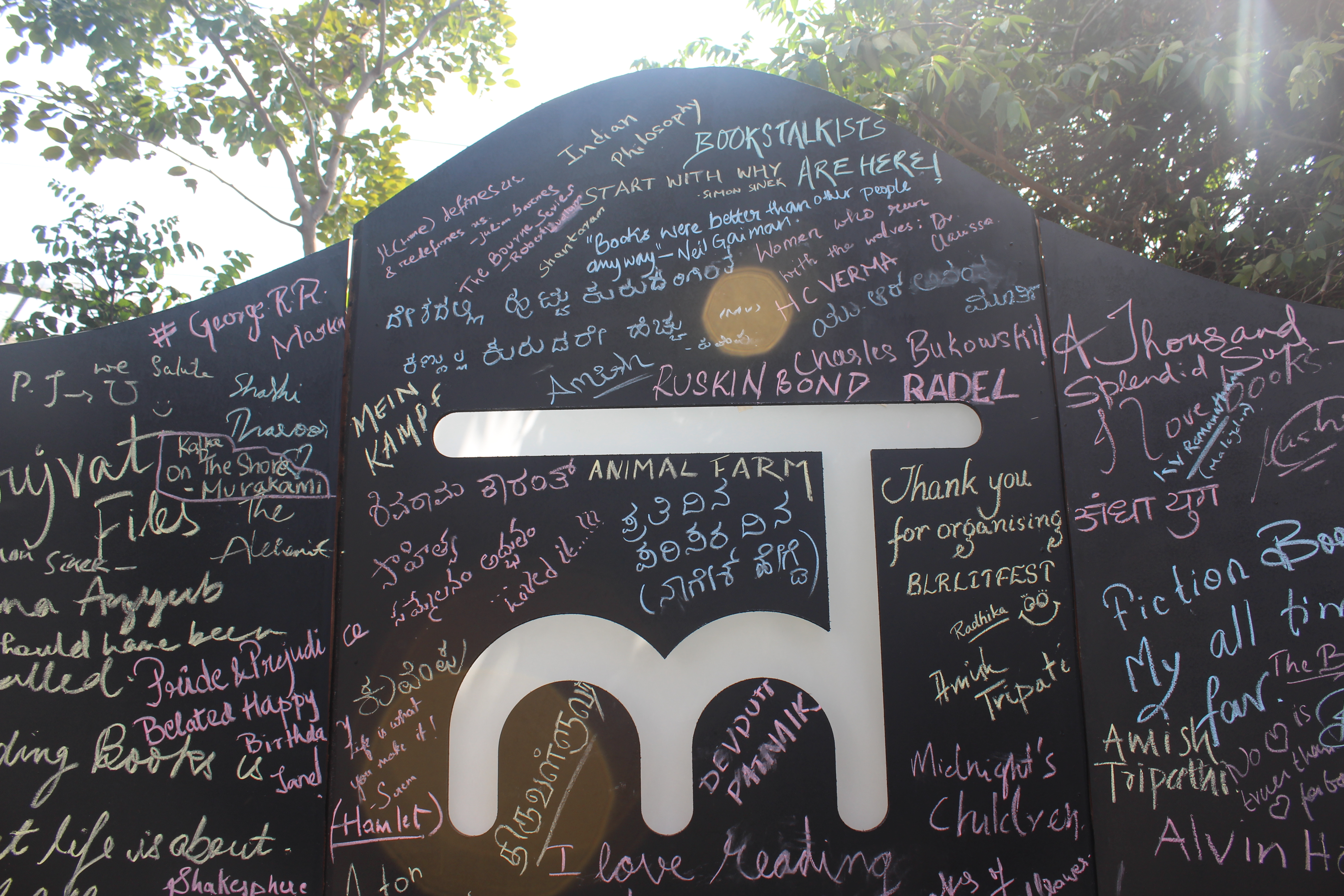
Bookstalkists @BlrLitFest2016

BookStalkist attended the Bangalore Literature Festival held at the Royal Orchid Hotel. There were some hard choices to be made as at any point of time 3 sessions were running in parallel in different corners of the venue. We attended a few sessions and here is what we thought about them.┬а

Having It All: The New Indian GirlSudha Murty in conversation with Chetan Bhagat.

This session was surprisingly good. Mrs. Sudha Murty is a brilliant conversationalist and Mr. Chetan Bhagat had a lot of new things to say. We only hoped he gets to know the real salary structure of Infosys┬аemployees and stops overestimating their lifestyle.

Courage and CommitmentAnuja Chauhan in conversation with Margaret Alva.

This was the session that stood out for us for the eloquence of Margaret Alva. She spoke her heart out on issues ranging from women empowerment to male dominance in Indian politics to the current problems of the Congress party. She had a few interesting stories to tell about our ex-Prime Minister PV Narsimha Rao as well as our current one – Mr. Narendra Modi.

Askew: A Short Biography of BangaloreNaresh Narasimhan, Prakash Belawadi, Prof. KE Radhakrishna, and V. Ravichandar with Vasanthi Hariprakash.

This was nostalgia celebration fest where participants reminisced the good old days of Bangalore. While a lot of blame was put on the IT industry for the current chaos in the city, it was perhaps forgotten that each of the guests had come to the city from outside in the 1960s. When a point is made that the city was only enough for the population of 1980-82, one wonders what if somebody from the 1940s would say that the city was good enough only for the population of the 1950s. We wonder if there is any end to this debate. In the end, everyone is an immigrant to this planet.

The Theatre Of DemonetizationNarendar Pani, Sanjeev Sanyal, and Shiv Vishvanath with Mihir Sharma.

This was a case of one-upmanship – everyone trying to put the other one down. In this rather superfluous discussion on Demonetization, the moderator came out victorious with his fine sense of humor. So much disconnected were the guests from the topic that Shiv compared the whole initiative to a bad b grade movie(bad sarcasm) and the one speaking for it – Sanjeev, thought that 500 and 1000 ‘dollars’ were banned. This session was nothing more than an exhibition of self obsession.

Literature And The Democratic Imagination: A Discussion of UR Ananthamurthy’s Bara – Prashant Keshavmurthy, Saikat Majumdar, Shankar Ramaswami and Shiv Visvanathan with Chandan Gowda

This was an academic discussion on the story Bara. Written by UR Ananthamurthy in Kannada, the story has been translated to English by Chandan Gowda who played the moderator to the discussion. It started on an insipid note but went on to become one of the most academically intensive sessions. Speakers highlighted different aspects and devices of storytelling in the book. Saikat Majumdar and Shiv Vishwanathan were the highlights of the session. While Saikat stressed on the debate between two schools of philosophy – one which says that you canтАЩt talk about pain unless you have been through it, and the other that says that you standing at a vantage point gives you better clarity of the situation. Shiv has a habit of putting his co-panelists down and he didnтАЩt fail to do so here either. This is unfortunate since he makes very cogent points to put across his ideas. He stressed on why sometimes misreading a book was important and cited examples of students who thought the book was about the JNU controversy.

Mukhamukham: Face To Face With AdoorAmrit Gangar in conversation with Adoor Gopalakrishnan

This was according to me an ill treatment of the guest. Amrit Gangar didnтАЩt show any patience to listen to his answers. We believe that it is┬аanyoneтАЩs good fortune to get a chance to speak with such legends. The host interrupted and cut Adoor short on more than one occasion. On the the other hand, the guest was an idol of grace, patience, and experience. ┬аThere was a lot to learn from this session. The battle-hardened Adoor had a lot of stories to tell. One of them was how his crew used to spend all the money from one movie on another movie and in effect, never had any money to market the movies.

The Many Roles We PlayAshok Chopra in conversation with Ashish Vidyarthi

We donтАЩt want to write about this session. We admire Ashish as an actor but what we saw in the session was an attempt by an actor turned trainer marketing himself.

Standing On An Apple BoxPremila Paul in conversation with Aishwaryaa Rajnikanth Dhanush

We would lament the fact that most of the questions coming in to Aishwaryaa was about either her husband or her father. This, despite her having released her book – Standing On Apple Box.

What’s Cooking? The Future Of Indian FoodAntoine Lewis, Manu Chandra and Sanjeev Kapoor with Suresh Hinduja

A brilliant session where panelists discussed the millets movement, the myth of authentic recipe, recipe codification et al. Sanjeev Kapoor is a brilliant conversationalist and it was a treat to hear him speak.

Rajiv Gandhi: Chronicle Of A Death ForetoldJosy Joseph in conversation with Neena Gopal

This was one of the most interesting sessions of the festival where Neena Gopal kept the audience hooked with her insights into the Rajiv Gandhi assassination case. Neena Gopal happens to be the last person to interview Mr. Gandhi and has recently released her book The Assassination of Rajiv Gandhi on the subject. She argues that the assassination of Mr. Gandhi could have been prevented and there was complicity at every level. This was an intriguing session and people were their attentive best.

Unending Sea Of Stories MS Sriram in conversation with S Diwakar

MS Sriram and S Diwakar, both are on our To Be Read list now. It was an informative session where guest and the host spoke about why they had taken to short stories, the devices used, and how short stories more often than not cater to societal issues.

India: Reclaiming Our Civilization’s HeritageT. V. Mohandas Pai in conversation with Rajiv Malhotra

Mr. Rajiv Malhotra is star wherever he goes. ThatтАЩs because he knows his subject well and doesnтАЩt care about political correctness. This session stood out because TV Mohandas Pai has his own enticing style of making a conversation. They appeared more as a pair of batsmen on the pitch. Rajiv was taking the strike and Mr. Pai was standing on the non-strikerтАЩs end. They had a common enemy, the so called left liberal intelligentsia of the country. Anecdotes of Mr. Rajiv Malhotra being censored and uninvited because of his political incorrectness were amusing on one hand but also worrying on the other.

Anything But Khamosh!Ajay Mago and Bharathi Pradhan in conversation with Shatrughan Sinha

Our first reaction was – Shatrughan Sinha! Why? Then we realized that his biography тАШAnything but KhamoshтАЩ was recently released and the bookтАЩs author Bharathi Pradhan was one of the moderators. Although we could not figure out what value Shatrughan Sinha brought to a literature festival, one could not but agree that he is a thorough entertainer. His sense of humor, comic timings, the famous dialogues from his movies, the occasional shayaris and mimicry of yesteryear stars Ajit and Rajkumar kept the evening alive. Mr. Sinha deftly avoided controversial questions regarding his party, politics and Mr. Bachchan.


Raat Ke MusafirPiyush Mishra in concert

One of the most awaited events and especially when you get to watch Piyush Mishra perform from the first row, you can barely hide your excitement. He was one of the most interactive guests in the festival and performed his songs one after the other. While the crowd kept chanting Husna, he insisted to wait and kept Husna for the end. He also read a few poems of his. The evening couldnтАЩt have concluded better. The audio issues during his performance did seem to disturb his plane┬аof thoughts but his first loyalty lied with the enthusiastic crowd and hence he picked himself up every time and went ahead with the performance.

 
The festival covered history, politics, geography, biography, popular fiction, erotica, food, travel, evangelism, human rights and a lot more. As much as one might appreciate the range of subjects chosen for discussion, one might also get disappointed with the choice of panelists for those subjects. Except for a few sessions like the ones of Margaret Alva with Anuja Chauhan, Rajiv Malhotra with Mohandas Pai and a couple of other sessions, most of them seemed superfluous. What the fest achieved in variety, it lost in depth. Sometimes the panelists were not impressive and at times the moderators couldnтАЩt get the best out of even veterans like Adoor Gopalakrishnan.

One trouble that probably people faced predominantly was the unavailability of food and drinking water. Although there were food stalls, the prices were not reasonable and the options not very healthy given that there were children too at the venue. ┬аDespite certain inadequacies, the Bangalore Literature Festival was indeed a thorough celebration of literature and literature enthusiasts will always look forward to the event in the coming years as well.


рддреИрдореВрд░-Timur-Lang-Langda Tyagi рдФрд░ рдирд╛рдо рдореЗрдВ рдХреНрдпрд╛ рд░рдХреНрдЦрд╛ рд╣реИ?

рд▓рдВрдЧреЬрд╛ рддреНрдпрд╛рдЧреА рдиреЗ рдЕрдкрдиреЗ рд▓реЬрдХреЗ рдХрд╛ рдирд╛рдо рддреИрдореВрд░ рд░рдЦрд╛ рд╣реИред рдЗрд╕ рд╕реЗ рдЯреНрд╡рд┐рдЯреНрдЯрд░ рд╡рд╛рд▓реЛрдВ рдХрд╛ рдореБрдВрд╣ рдлреВрд▓ рдЧрдпрд╛ рд╣реИред рдЧреБрд╕реНрд╕реЗ рдХреА рд╡рдЬрд╣ рд╣реИ – рддреИрдореВрд░ рдХрд╛ рдорддрд▓рдм рд╣реЛрддрд╛ рд╣реИ рд▓реЛрд╣рд╛ред рдХреЛрдИ рдЕрдкрдиреЗ рдмрдЪреНрдЪреЗ рдХрд╛ рдирд╛рдо рд▓реЛрд╣рд╛ рдХреИрд╕реЗ рд░рдЦ рд╕рдХрддрд╛ рд╣реИ? рд▓реЛрд╣рд╛ рдЕрд▓реА рдЦрд╛рди рдкрдЯреМрдбреА – рдХреИрд╕рд╛ рдЕрдЯрдкрдЯ рдирд╛рдо рд░рдЦ рджрд┐рдпрд╛ рд╣реИ! рдЬрдм рдЪрд╛рдБрджреА, рд╕реЛрдирд╛ рдЬреИрд╕реЗ рдирд╛рдо рдЙрдкрд▓рдмреНрдз рдереЗ, рддреЛ рдпреЗ рд▓реЛрд╣рд╛ рдХреНрдпрд╛ рд╕реЛрдЪ рдХрд░ рд░рдЦ рджрд┐рдпрд╛ ?

рдЦреИрд░ рдЫреЛреЬрд┐рдпреЗ, рддрдХрд▓реАрдл рд╕рд┐рд░реНрдл рдЗрд╕ рдмрд╛рдд рдХреА рд╣реИ рдХрд┐ рдирд╛рдо рдХрд╛ рдорддрд▓рдм рддреЛ рд╕рдмрдиреЗ рд╕рдордЭ рд▓рд┐рдпрд╛ рдкрд░ рдХрд┐рд╕реА рдиреЗ рддреИрдореВрд░ рд▓рдВрдЧ рдХреЛ рдпрд╛рдж рдирд╣реАрдВ рдХрд┐рдпрд╛ред рдРрд╕рд╛ рднреА рддреЛ рд╣реЛ рд╕рдХрддрд╛ рд╣реИ рдХрд┐ рд╕реИрдл рдХреЛ рд╡реЛ рддрд╛рдирд╛рд╢рд╛рд╣ рдЗрддрдиреЗ рдкрд╕рдВрдж рд╣реИрдВ рдХрд┐ рдмреЗрдЯреЗ рдХреЛ рднреА рдХреБрдЫ рдЙрд╕реА рдореБрдХрд╛рдо рдкрд░ рджреЗрдЦрдирд╛ рдЪрд╛рд╣рддреЗ рд╣реЛрдВ! рдХреНрдпреЛрдВ? рдирд╣реАрдВ рд╣реЛ рд╕рдХрддрд╛ рд╣реИ? рд╣рд╛рдБ, рдкрд░ рдЯреНрд╡рд┐рдЯрд░ рдирд╛рдЧрд░рд┐рдХреЛрдВ рдХреЛ рдпреЗ рдмрд╛рдд рдХреМрди рд╕рдордЭрд╛рдП?

рдЕрдм рдирд╛рдореЛрдВ рдХреА рдмрд╛рдд рдЪрд▓реА рд╣реИ рддреЛ рдирд╛рдореЛрдВ рдХреА рд╣реА рдмрд╛рдд рдХрд░рддреЗ рд╣реИрдВред рдореЗрд░реЗ рднрд╛рдИ рдХреА рдХреНрд▓рд╛рд╕ рдореЗрдВ рдПрдХ рдмрдЪреНрдЪреЗ рдХрд╛ рдирд╛рдо рдерд╛ рд╕рджреНрджрд╛рдо рд╣реБрд╕реИрдиред рди рди, рд░реБрдХрд┐рдПред рдЗрд╕ рд╕реЗ рдкрд╣рд▓реЗ рдХреА рдЖрдк рдЙрд╕рдХреЗ рдорд╛рдБ рдмрд╛рдк рдХреЛ рдЗрд░рд╛рдХ рднреЗрдЬ рджреЗрдВ, рдореИрдВ рдмрддрд╛ рджреВрдВ рдХрд┐ рдЬрдм рдЗрд╕ рд╕рджреНрджрд╛рдо рдХрд╛ рдЬрдиреНрдо рд╣реБрдЖ рдерд╛ рддрдм рдЗрд░рд╛рдХ рдореЗрдВ рдЬреИрд╡рд┐рдХ рдпрд╛ рдмрд╛рдпреЛрд▓реЙрдЬрд┐рдХрд▓ рдЕрд╕реНрддреНрд░ рдмрдирдиреЗ рд╢реБрд░реВ рдирд╣реАрдВ рд╣реБрдП рдереЗред рд╣рд╛рдБ, рдордЧрд░ рдЖрдк рдпреЗ рдХрд╣рддреЗ рд╣реИрдВ рдХрд┐ рдЬрдм рдЕрдорд░реАрдХрд╛ рдиреЗ рд╣рдо рд╕рдмрдХреЛ рд╕реВрдЪрдирд╛ рджреЗ рджреА рдХрд┐ рдРрд╕реЗ рдЕрд╕реНрддреНрд░ рд╡рд╣рд╛рдБ рдорд┐рд▓ рд░рд╣реЗ рд╣реИрдВ, рддреЛ рдЗрд╕ рд╕рджреНрджрд╛рдо рдХреЗ рдЕрдмреНрдмрд╛рдЬреА рдХреЛ рдмрдЪреНрдЪреЗ рдХрд╛ рдирд╛рдо рдмрджрд▓ рджреЗрдирд╛ рдЪрд╛рд╣рд┐рдП рдерд╛ред рдЬреЙрд░реНрдЬ рдмреБрд╢ рдЕрдЪреНрдЫрд╛ рдирд╛рдо рд╣реЛрддрд╛ред

рдирд╛рдо рдХрд╛ рдЦреЗрд▓ рдмрд╣реБрдд рдЧрд╣рд░рд╛ рд╣реЛрддрд╛ рд╣реИред рдореЗрд░реЗ рдкреЬреЛрд╕ рдХреЗ рдореЛрд╣рд▓реНрд▓реЗ рдореЗрдВ рдПрдХ рдЕрдВрдХрд▓ рдиреЗ рдЕрдкрдиреЗ рдЪрд╛рд░ рдмрдЪреНрдЪреЛрдВ рдХрд╛ рдирд╛рдо – рдмрдирд╛рд╡рди рд░рд╛рдо, рдмрд╕рд╛рд╡рди рд░рд╛рдо, рдмрд┐рдЧрд╛рд░рди рд░рд╛рдо рдФрд░ рдШрд┐рдирд╛рд╡рди рд░рд╛рдо рд░рдЦ рджрд┐рдпрд╛ред рд╕реГрд╖реНрдЯрд┐, рд╕реНрдерд┐рддрд┐, рдФрд░ рдкреНрд░рд▓рдп рддреАрдиреЛ рд╡рд┐рднрд╛рдЧ рдЕрдкрдиреЗ рдкрд░рд┐рд╡рд╛рд░ рдореЗрдВ рд╣реА рд░рдЦ рд▓рд┐рдПред рдЬреИрд╕реЗ рдЖрдЬ рдЯреНрд╡рд┐рдЯрд░ рд╣рдБрд╕рддрд╛ рд╣реИ, рддрдм рдореЛрд╣рд▓реНрд▓реЗ рд╣рдБрд╕рд╛ рдХрд░рддреЗ рдереЗред рд╕реЛ рд╣рдорд╛рд░реЗ рдореЛрд╣рд▓реНрд▓реЗ рдиреЗ рдард╣рд╛рдХреЗ рд▓рдЧрд╛рдПред рдмрдирд╛рд╡рди рд░рд╛рдо рдФрд░ рдмрд╕рд╛рд╡рди рдХреА рд╢рд╛рджреА рд╣реЛ рдЧрдпреА рд╣реИ ред рдмрд┐рдЧрд╛рд░рди рдФрд░ рдШрд┐рдирд╛рд╡рди рдХреЗ рд▓рд┐рдП рдХреЛрдИ рдмрд┐рдЧреЬреА рд░рд╛рдиреА рдФрд░ рдШрд┐рдиреМрдиреА рдирд╛рд░реА рдорд┐рд▓реЗ рддреЛ рдореБрдЭреЗ рдмрддрд╛рдЗрдПрдЧрд╛ред

рд╣рдорд╛рд░реЗ рджреВрдзрд╡рд╛рд▓реЗ рдХрд╛ рдирд╛рдо рджреБрдЦрд▓рд╛рд▓ рдерд╛ред рдпреЗ рд╣рдореЗрд╢рд╛ рджреБрдГрдЦ рдореЗрдВ рд▓рд╛рд▓ рдкреАрд▓рд╛ рд╣реЛрддрд╛ рдерд╛ред рдПрдХ рджрд┐рди рд╡реЛ рдХрд╛рдлреА рджреБрдЦреА рд╣реЛ рдЧрдпрд╛ред рдлрд┐рд░ рдЙрд╕рдХреЗ рджреЛрд╕реНрдд рдЯреЛрдиреА рдиреЗ рдЙрд╕реЗ рдЕрдкрдирд╛ рдирд╛рдо рдмрджрд▓рдиреЗ рдХреЛ рдХрд╣рд╛ред рдЕрдм рдЙрд╕рдХрд╛ рдирд╛рдо рд╕реБрдЦрд▓рд╛рд▓ рд╣реЛ рдЧрдпрд╛ рд╣реИред рдЕрдм рд╡реЛ рд╣рдореЗрд╢рд╛ рдЦреБрд╢ рд░рд╣рддрд╛ рд╣реИред рдореЗрд░рд╛ рдмрдЪрдкрди рдмреЛрдХрд╛рд░реЛ рдЬрд┐рд▓рд╛ рдХреЗ рдЕрдВрддрд░реНрдЧрдд рдХрдерд╛рд░рд╛ рдирд╛рдордХ рд╕реНрдерд╛рди рдореЗрдВ рдЧреБреЫрд░рд╛ред рдЬрдЧрд╣ рдмрд╣реБрдд рд╡рд┐рдХрд╕рд┐рдд рдирд╣реАрдВ рд╣реИред рдХреЛрд▓рдлреАрд▓реНрдб рд╣реИ, рдЬрдиреНрдо рд╕реЗ рдкрд╣рд▓реЗ рд╣реА рдмрдЪреНрдЪреЗ рдХрд╛рд▓реЗ рд╣реЛ рдЬрд╛рддреЗ рд╣реИрдВред рдЬрдЧрд╣ рдХреА рджреБрд░реНрджрд╢рд╛ рджреЗрдЦрдХрд░ рдХреБрдЫ рд╕реЬрдХрдЫрд╛рдк рджрд╛рд░реНрд╢рдирд┐рдХреЛрдВ рдиреЗ рдирд╛рдо рдХреЛ рдмрджрд▓рдХрд░ рдЦрдЯрд╛рд░рд╛ рд░рдЦ рджрд┐рдпрд╛ред рдирд╛рдо рдмрджрд▓рддреЗ рд╣реА рд╣рд╛рд▓рд╛рдд рдмрдж рд╕реЗ рдмрджрддрд░ рд╣реЛ рдЧрдП рдФрд░ рдЧреБрдорд▓рд╛ рдЬрд┐рд▓реЗ рдиреЗ рдХрдерд╛рд░рд╛ рдкрд░ рдкрд░рдорд╛рдгреБ рдмрдо рдЧрд┐рд░рд╛ рджрд┐рдпрд╛ред

рдбрд╛рдХреВ рдордВрдЧрд▓ рд╕рд┐рдВрд╣ рдХрд╛ рдирд╛рдо рдмреЬреЗ рдЕрд░рдорд╛рдиреЛрдВ рдХреЗ рд╕рд╛рде рдордВрдЧрд▓ рд░рдЦрд╛ рдЧрдпрд╛ред рдЕрдкрдиреЗ рдирд╛рдо рд╕реЗ рдкреНрд░рднрд╛рд╡рд┐рдд рд╣реЛрдХрд░ рдЙрд╕рдиреЗ рд▓реЛрдЧреЛрдВ рдореЗрдВ рдЗрддрдирд╛ рдзрди рдмрд╛рдБрдЯрд╛ рдХрд┐ рдЕрдм рдЙрд╕рдХрд╛ рдирд╛рдо рд▓реЛрдЧ рджрд╛рдирд╡реАрд░ рдХрд░реНрдг рд░рдЦрдиреЗ рдХреА рд╕реЛрдЪ рд░рд╣реЗ рд╣реИрдВред рдЗрд╕реА рдкреНрд░рдХрд╛рд░ рд╢рддреНрд░реБрдШреНрди рд╕рд┐рдиреНрд╣рд╛ рднрд╛рдЬрдкрд╛ рдХреЗ рд░рд╛рдорд╛рдпрдг рдореЗрдВ рдЖрджрддрди рдЕрджреГрд╢реНрдп рд╣реИрдВред рдЕрд░рд╡рд┐рдиреНрдж рдХреЗрдЬрд░реАрд╡рд╛рд▓ рдорд╣рд░реНрд╖рд┐ рдЕрд░рд╡рд┐рдиреНрдж рдШреЛрд╖ рдХреА рдЕрдкреВрд░реНрдг рд░рд╛рдЬрдиреИрддрд┐рдХ рдпрд╛рддреНрд░рд╛ рдХреЛ рдкреВрд░рд╛ рдХрд░рдиреЗ рдЖрдпреЗ рд╣реИрдВред рдХрдкрд┐рд▓ рд╕рд┐рдмрд▓ реЫреАрд░реЛ рд▓реЙрд╕ рдХрд╛ рд╕рд╛рдВрдЦреНрдп рджреЗрдиреЗ рд╡рд╛рд▓реЗ рдорд╣рд░реНрд╖рд┐ рдХрдкрд┐рд▓ рд╣реИрдВ, рднрд╛рдЬрдкрд╛ рдХреЗ рдПрдо.рдЬреЗ. рдЕрдХрдмрд░ рдмрд╛рдмрд░реА рдорд╕реНрдЬрд┐рдж рдХрд╛ рдмрджрд▓рд╛ рд▓реЗрдиреЗ рдЖрдпреЗ рдкреЛрддреЗ рд╣реИрдВ, рдЕрдЦрд┐рд▓реЗрд╢ рдпрд╛рджрд╡ рдЕрдпреЛрдзреНрдпрд╛ рдорд╕рд▓реЗ рдХрд╛ рд╣рд▓ рдирд┐рдХрд╛рд▓рдиреЗ рджреЛрдмрд╛рд░рд╛ рдЬрдиреНрдореЗ рднрдЧрд╡рд╛рди рд░рд╛рдо рд╣реИрдВ, рд░рд╛рд╣реБрд▓ рдЧрд╛рдВрдзреА рдЧреМрддрдо рдмреБрджреНрдз рдХреЗ рд▓реЬрдХреЗ рд╣реИрдВ рдФрд░ рдирд░реЗрдВрджреНрд░ рдореЛрджреА рд╕реНрд╡рдпрдВ рд╕реНрд╡рд╛рдореА рд╡рд┐рд╡реЗрдХрд╛рдирдВрдж рд╣реИрдВред

рд╡рд┐рдЬрдп рдорд╛рд▓реНрдпрд╛ рдмреИрдХреЛрдВ рдкрд░ рд╡рд┐рдЬрдп рдкреНрд░рд╛рдкреНрдд рдХрд░ рдЕрдкрдиреЗ рджреЗрд╢ рд╕реЗ рдЖреЫрд╛рдж рд╣реЛ рдЧрдП рд╣реИрдВ, рдФрд░ рдореЗрдХ рдЗрди рдЗрдВрдбрд┐рдпрд╛ рдХреЛ рдЖрдИрд╕рд┐рд╕ рд╡рд╛рд▓реЛрдВ рдиреЗ рд╕рд╣реА рд╕рдордЭ рд▓рд┐рдпрд╛ рд╣реИред релрежреж рдФрд░ резрежрежреж рдХреЗ рджрд╛рдирд╡рдЯрд╛рдЗреЫреЗрд╢рди рдореЗрдВ рд░рд┐реЫрд░реНрд╡ рдмреИрдВрдХ рд╣рд░ рд░реЛреЫ рдЕрдкрдиреЗ рд░рд┐реЫрд░реНрд╡ рд╣реЛрдиреЗ рдХрд╛ рдПрдХ рдирдпрд╛ рдкреНрд░рдорд╛рдг рджреЗ рд░рд╣рд╛ рд╣реИ рдФрд░ рдСрдЯреЛрдореЗрдЯреЗрдб рдЯреЗрд▓рд░ рдорд╢реАрди рд╕реЗ рдЖрдЯреЛрдореЗрдЯрд┐рдХ рдкреИрд╕реЗ рдирд┐рдХрд▓ рд░рд╣реЗ рд╣реИрдВред рд╡рд╣реАрдБ рдХрд╛рд▓реЗ рдзрди рдиреЗ рдлреЗрдпрд░ рдПрдВрдб рд▓рд╡рд▓реА рд╕реНрдХреАрдо рдХреЛ рдареБрдХрд░рд╛ рджрд┐рдпрд╛ рд╣реИред

рдЖрдк рднреА рд╕реЛрдЪ рд░рд╣реЗ рд╣реЛрдВрдЧреЗ рдХрд┐ рдЗрд╕ рд▓реЬрдХреЗ рдиреЗ рдкреА рд░рдХреНрдЦреА рд╣реИ рдХреНрдпрд╛! рдЗрддрдиреА рд░рд╛рдд рдЧрдП рдХреНрдпрд╛ рдмрдХрд╡рд╛рд╕ рдХрд░ рд░рд╣рд╛ рд╣реИред рдирд╣реАрдВ, рдореЗрд░рд╛ рдирд╛рдо рдЕрднрд┐рд╖реЗрдХ рд╣реИред рдореИрдВ рдкреАрддрд╛ рдирд╣реАрдВ рд╣реВрдБред рдореИрдВ рд╕реБрдмрд╣ рд╕реЗ рд╢рд╛рдо рддрдХ рдордВрджрд┐рд░ рдореЗрдВ рдмреИрдардХрд░ рдирд╛рд░рд╛рдпрдг рдореВрд░реНрддрд┐ рдХреЛ рддрд┐рд▓рдХ рд▓рдЧрд╛рддрд╛ рд╣реВрдБред рд╡реИрд╕реЗ рдЯреНрд╡рд┐рдЯрд░ рд╡рд╛рд▓реЛрдВ рдиреЗ рдРрд╕рд╛ рд╣рдВрдЧрд╛рдорд╛ рдореЗрд░реЗ рдирд╛рдордХрд░рдг рдХреЗ рд╡реШреНрдд рдХрд┐рдпрд╛ рд╣реЛрддрд╛ рддреЛ рдЖрдЬ рд╣рд░ рдЪреМрд░рд╛рд╣реЗ рдкрд░ рдПрдХ рдЕрднрд┐рд╖реЗрдХ рдорд╛рдереЗ рдкрд░ рддрд┐рд▓рдХ рд▓рдЧрд╛ рдХрд░ рдЦреЬрд╛ рди рдорд┐рд▓рддрд╛ред рдЕрдорд┐рддрд╛рдн рдмрдЪреНрдЪрди рдХреЗ рдмреЗрдЯреЗ рдХрд╛ рдирд╛рдо рднреА рд╢рд╛рдпрдж рдЕрднрд┐рдирдп рдмрдЪреНрдЪрди рд╣реЛрддрд╛ред

#рд▓реЛрд▓ред

Insulting the Quran!

While browsing through the books on my bookshelf last night, тАШThe QuranтАЩ published by the Salaam Centre, Bangalore landed in my hands. I believe that each book that we buy or read gets a memory shot tagged to it. When we come back to pick those books again in distant future, we invariably travel time. Same happened with this book. I had to travel only a year back – 2015, Bangalore Book Festival at Palace Grounds. One incredible experience that I had thought of penning down and for some reason, completely forgot; it has come to this day that I write about it.

Continue reading “Insulting the Quran!”

Concept of value based governance and administration for a strong and prosperous India (Thoughts in 2015)

15th August, 1947 тАУ When India achieved its political freedom, it was based on relentless discharge of a value called тАШSocial ResponsibilityтАЩ by each and every profession of our nation. The lawyers, doctors, teachers, scientists, writers irrespective of their functional identity realized their real state of existence тАУ the identity of an Indian citizen. Afterwards, though we understood the meaning of the functional designations, we could never understand the meaning of the word тАШCitizenтАЩ and its associated values.┬а

Continue reading “Concept of value based governance and administration for a strong and prosperous India (Thoughts in 2015)”

To See Is To Believe?

A circular was read out in the classroom. It had been decided by the school management that students from Std 8th – 10th would be taken on an educational tour to Calcutta. I was in 8th standard then. I was excited enough to convince my parents about the idea. I set my plans straight about the places I had to visit and spent the night taking a virtual tour of the city in my dreams.

Continue reading “To See Is To Believe?”